An Open Letter to U.S. Visa Hopefuls
Dear U.S. Visa Hopefuls,
I see you. Sitting in front of that embassy website, hitting refresh over and over, hoping a new appointment slot would magically appear. I know that feeling all too well. The one in your chest that is equal parts fear, hope, and exhaustion. Your stomach is a mix of butterflies and instant coffee. You’ve memorized your story, practiced your answers in front of a mirror, and heard every rumor, myth, and “life-changing tip” from a friend’s cousin’s neighbor who once got denied because they smiled too much. The sleepless nights before your interview. The printed documents stacked neatly in a folder. The whispered prayers in every quiet moment.
I was once there too.
When I decided to apply for a U.S. visa, I was working in Malaysia. I wasn’t rich. I didn’t hold a managerial position or have an impressive title that would make a consul pause. But I had something solid: a consistent job, a steady income, and a life I had built piece by piece.
At the time, I was also paying for a house and lot back in the Philippines, my first big investment, something I was proud of even while still paying the monthly amortization. I didn’t mention it in my application—no supporting documents, no property proof. It never came up. I also had a few passport stamps by then, mostly from nearby Asian countries: Singapore, Indonesia, Thailand, Vietnam, Cambodia, Taiwan, Japan, and of course, Malaysia. Each stamp reminded me I could navigate the world on my own terms. Still, I didn’t think any of it would matter much.
Everyone told me the same thing: getting a U.S. visa was hard. That I needed a big bank balance, an American sponsor, or to look like I’d definitely return. I almost didn’t apply because of all those stories, and the fact that the U.S. visa fee isn’t cheap. But something in me whispered, try anyway.
So I did.
I remember the morning of my interview like it was yesterday. I woke up before sunrise, too anxious to eat. I took one last look at my documents and whispered a quick prayer before heading out. The embassy line was long, filled with nervous smiles and sweaty palms. Everyone held their folders close to their chest like armor.
I walked into the U.S. Embassy with my friend and roommate, Monica. We had both decided to take the leap and apply for our first U.S. visa. My heart was pounding, my hands clammy, my mind a whirlwind of possibilities and fears. What if we got denied? What if all those stories we heard about visas being impossible were true? When my number was called, I took a deep breath and stepped forward.
The consul looked up, smiled politely, and asked a few simple questions:
“Why are you going to the U.S.?”
“How long do you intend to stay there?”
“How long have you been here in Malaysia?”
“What is your job here (in Malaysia)?”
I answered honestly. I told her about my work in Malaysia, my plan to visit for travel, and my intention to return afterward. That was it. No long speech, no desperate convincing. Just truth, plain and simple.
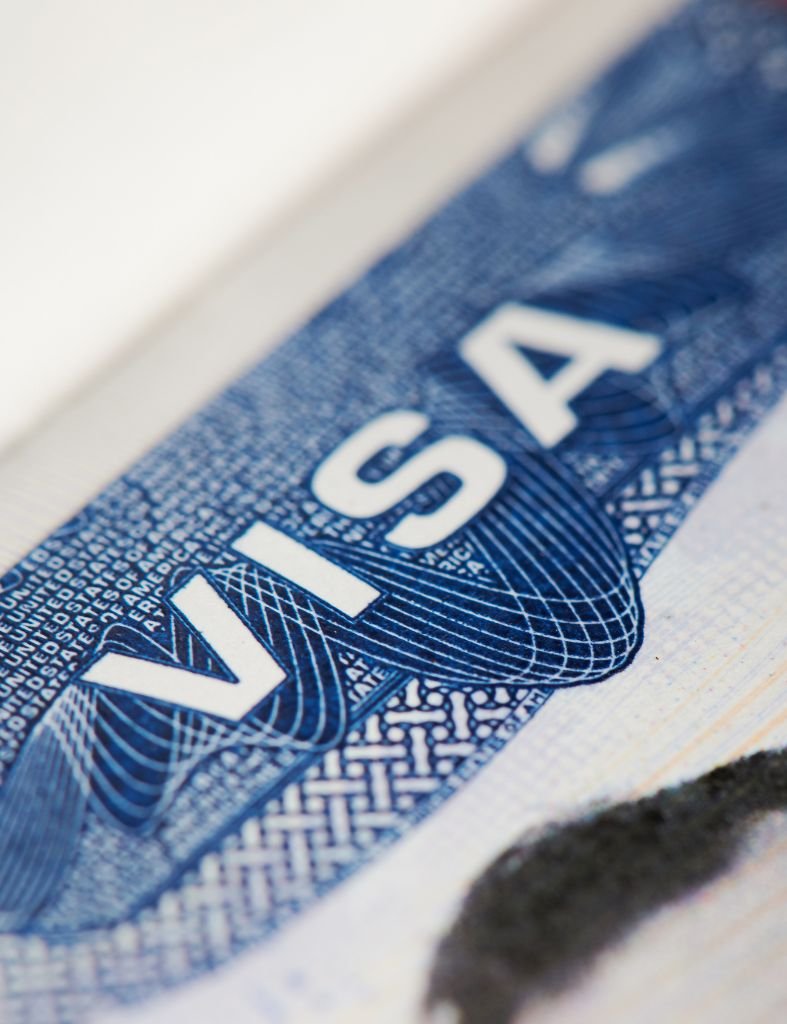
She didn’t ask for a single document—not my bank statement, employment certificate, or property details. Only my passport. I saw her quickly scanning through the pages of my passport. A few seconds after, she put my passport on top of what I assume are stacks of passports. And then she said the words that made my knees weak: “Your visa is approved. Welcome to the United States and I hope that you enjoy your visit!”
My heart jumped with pure joy. I think I died for a second.
I stepped out of the building in a daze, blinking against the sunlight. It felt surreal. Monica and I both walked out with our visas approved. Just like that. No stacks of cash, no fancy job titles. Just truth, a steady income, and a clear story. All that preparation, all that worry, and it came down to a five-minute conversation. I wanted to cry, but I also wanted to laugh.
Looking back, I realized how much unnecessary fear I had carried, and how little it had to do with the truth. The myths make it seem impossible. People say you need a fat bank account, property ownership, or an American sponsor. But that isn’t always true. You need honesty. You need consistency. You need to show that your life has roots and that your story makes sense. Everything else falls into place.
That visa became my bridge. It connected who I was to who I was becoming. It opened the path that led me here, to a life I couldn’t have imagined back then: a Filipino immigrant now a citizen, living in Pennsylvania, raising a family, working from home, and building dreams from scratch. Sometimes I still look at my old passport, that sticker tucked between old travel stamps, and I remember the girl who just wanted to see what was possible.
That moment changed everything for me. It gave me confidence. It gave me hope. And it made me want to encourage others to try too. Over the next few weeks, I told my friends about our experience. Nine of them, that I know of, applied. And guess what? Every single one of them got approved too. None of us had millions in the bank or extraordinary connections. Just ordinary lives, presented honestly. How’s that for debunking the myths about U.S. visa approvals?
So if you are a Filipino passport holder or any national applying for a U.S. visa, wondering if your story is enough, please hear this: do not lose hope. You do not need to be rich to be approved. You do not need to have everything figured out. What you need is honesty, a stable, believable story, and a life that shows consistency and roots. The consul isn’t there to judge your worth. She is there to understand your truth.
Walk in with confidence. Be honest. Tell your story with truth. Trust that your “yes” might be closer than you think. If I can do it, Monica can do it, and nine of our friends can do it, then so can you.
And if that day hasn’t come yet, don’t give up. Your story is still unfolding. Maybe your “approved” moment is waiting just around the corner—not as an accident, but as the next step toward the life you were always meant to live.
I remember the quiet moments in the embassy line, the nervous smiles, and the whispered prayers from other hopefuls. Every yes and every no is not a judgment on your worth. It’s just part of the process. Sometimes it takes the right words, the right timing, and the courage to show up anyway.
Every visa approval I’ve witnessed—mine, Monica’s, and our friends’—reminds me that courage, preparation, and honesty go much farther than fear and myths. Take a deep breath. Step forward. Believe in the possibility of your own bridge to a new chapter.
Next time, maybe I’ll write a letter telling you about my U.S. citizenship journey. I may have started with a U.S. tourist visa, but eventually, I moved on to applying for a green card (permanent residency). That story is for another letter, though. Leave a comment if you want more details in my next letter.
Signed,
Jalyn